Edward Steichen's exhibition that turned photography into a human story
In 1955, Edward Steichen curated The Family of Man, bringing together over 500 photographs from 68 countries to show humanity as one family.
In 1955, photographer Edward Steichen mounted his boldest exhibition. He set out to show humanity as one family, united across borders and cultures.
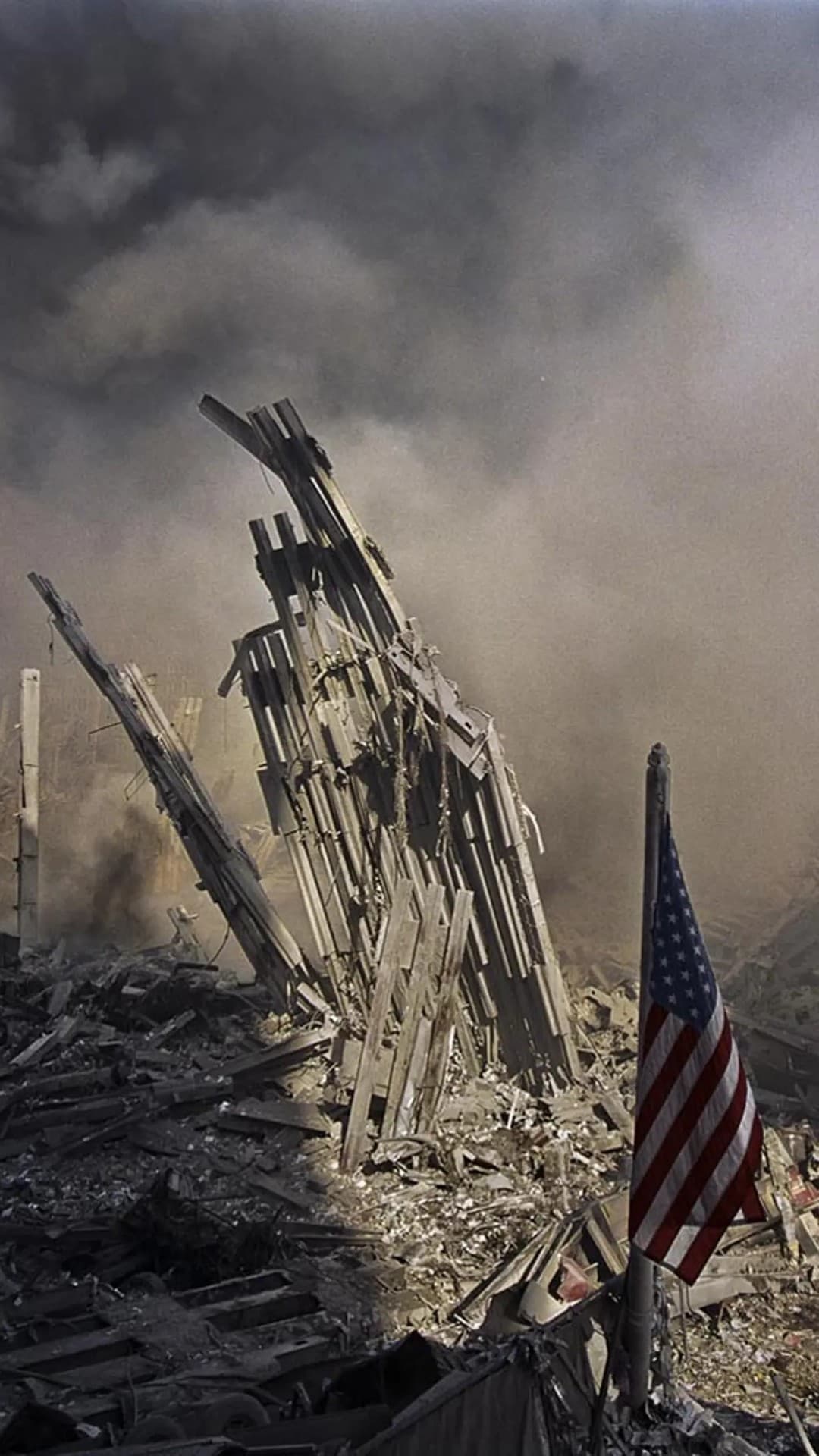
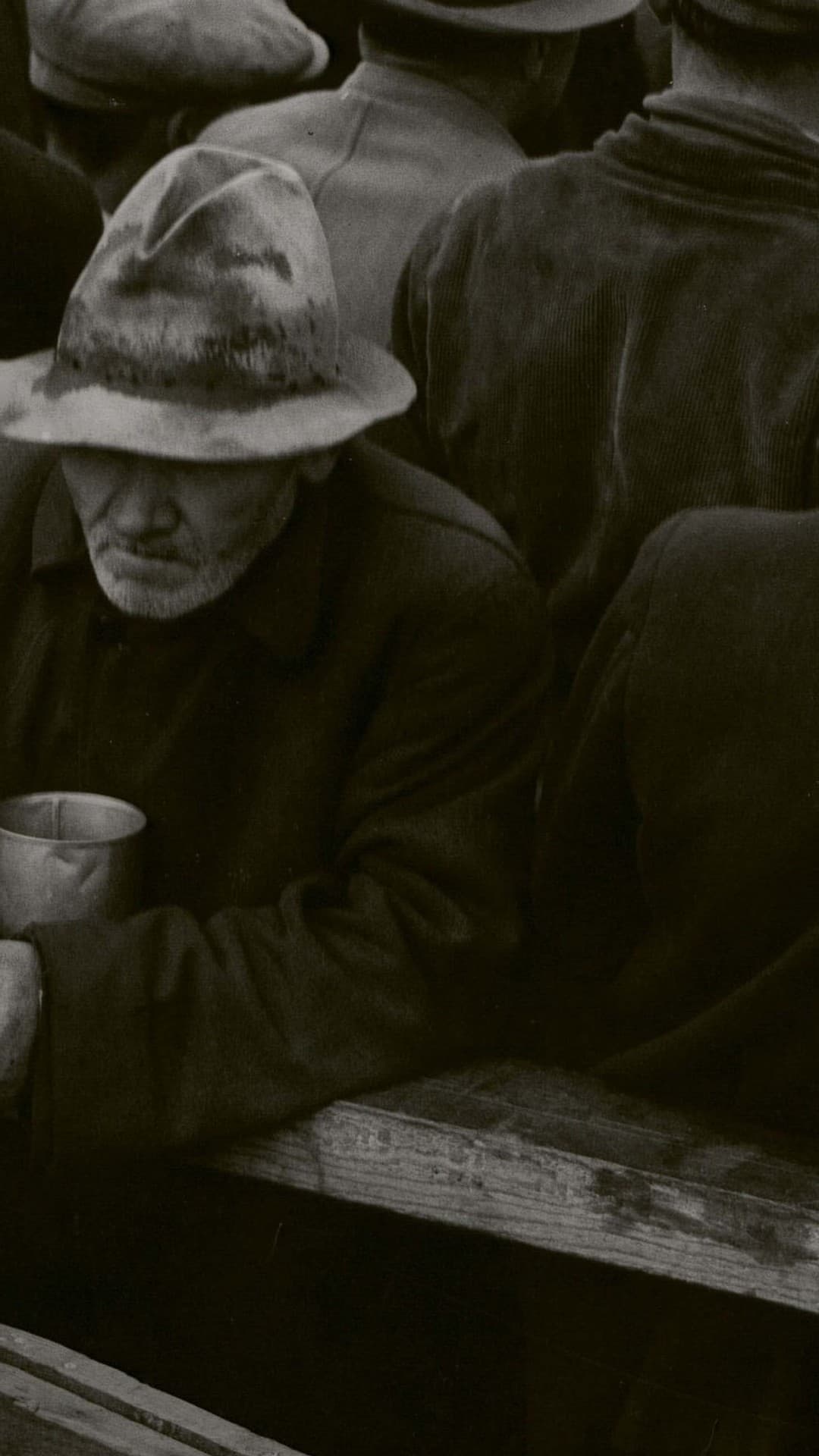
The exhibition brought together over 500 photographs from 68 countries. The images covered the universal experiences that connect all people: birth, work, love, and death. These moments appeared side by side, regardless of where in the world they were captured.
A vision beyond individual artists
Steichen wanted the pictures to outlive their makers. His goal was not to celebrate individual photographers but to create something larger. By assembling this vast collection, he turned photography into a global human story.
The exhibition presented a radical idea for its time. Rather than focusing on artistic technique or national identity, it emphasized shared human experience. A birth in one country looked much like a birth in another. Love, labor, and loss transcended geography.
Photography as universal language
The Family of Man demonstrated that photography could speak a universal language. The medium captured moments that needed no translation. Viewers could see themselves in images from distant places, recognizing their own lives in the lives of strangers.
Steichen's exhibition became one of the most influential photography shows of the twentieth century. It traveled the world and reached millions of people. The collection proved that photographs could do more than document individual moments. They could reveal the common threads that bind humanity together.